Resources
Tools for faith and mental wellness
Explore practical guides, worksheets, and encouragement grounded in hope—created to support emotional wellness and spiritual strength for individuals, families, and ministry leaders.

Resource Library
Start with what you need today
Choose a starting point below. Each resource is designed to be simple, supportive, and easy to share in a church or community setting.
(LINKS COMING SOON)
Anxiety & stress support
Grounding practices, calming breath prayers, and step-by-step tools for anxious moments.
Depression & hope
Gentle routines, encouragement, and next-step support for low days—without shame.
Trauma-informed care
Safety-first guidance for responding to trauma with compassion and wise boundaries.
Community support toolkit
Conversation guides, referral tips, and care pathways for churches supporting unhoused neighbors.
Tools & encouragement
Use these as a starting point for ideas of personal reflection, small groups, or one-on-one support.
“We are troubled on every side, yet not distressed; we are perplexed, but not in despair; persecuted, but not forsaken; cast down, but not destroyed.” 2 Corinthians 4:8-9 KJV.
Resource FAQs
A few common questions about using these tools and getting connected to support.
Are these resources a substitute for therapy?
No. These tools are educational and supportive, but they don’t replace professional mental health care. If you’re in crisis or need clinical support, please reach out to a licensed provider or local emergency services. Many institutions of faith also offer a wide range of programs, services and counseling to help address issues of concern.
Can our church share these resources?
Yes—please share with care. We encourage you to share resource links found on this site so others can find additional support.
How do you support unhoused neighbors in MD, VA, and DC?
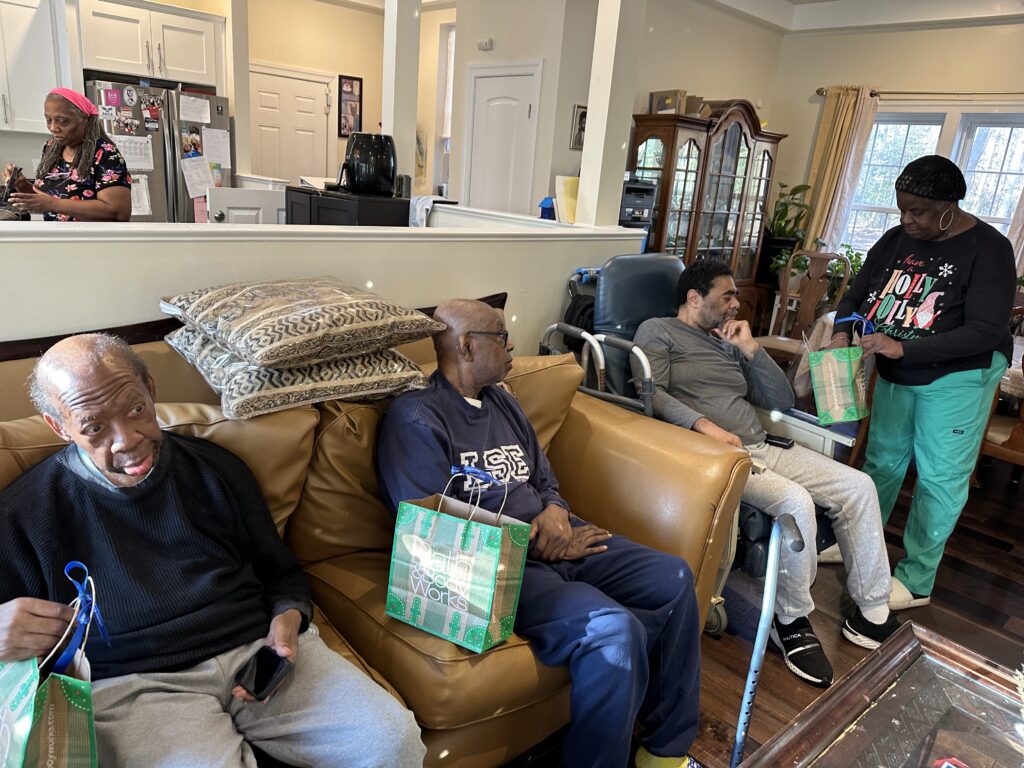
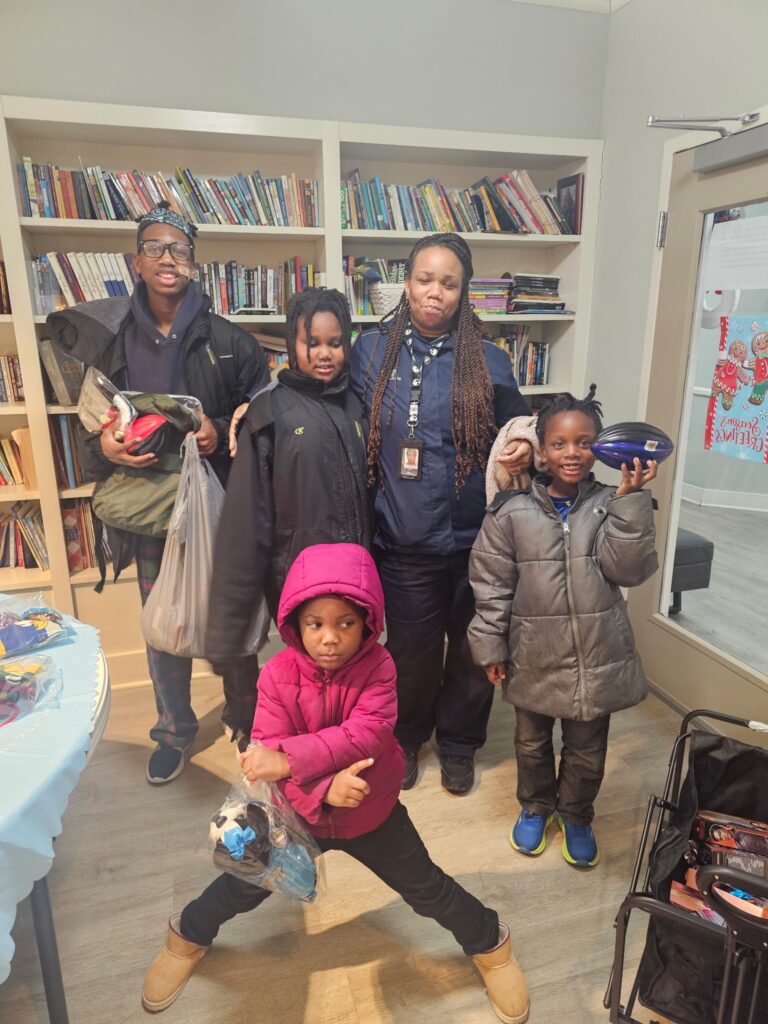
We provide encouragement, practical wellness resources, and compassionate outreach in partnership with community and ministry networks.
What if I’m worried about someone’s safety?
If someone is in immediate danger, call 911. If you’re concerned about self-harm, contact the 988 Suicide & Crisis Lifeline (U.S.) for immediate support.
Mental Health First Aid training teaches the public the skills to recognize and respond to a mental health concern or crisis. Learn more about the program and register for a free course at www.mhamd.org or www.mentalhealthfirstaid.org.
NEVER ALONE!
If you’re looking for faith-based mental wellness information and resources—or you’re a community leader seeking additional information — contact Missions 2Serve Abba Inc.